High Roller
Casino Butter Biscuits and Their Lasting Appeal
From Tea-Time Treat to Packaged Icon
Casino butter biscuits emerged as part of the postwar boom in packaged snacks, offering an affordable taste of indulgence to mass-market shoppers. Their simple, uniform shape made them easy to stack, ship, and display on crowded supermarket shelves. Often branded with playful casino-inspired imagery, the biscuits leaned on the glamour of gaming culture to stand out in a crowded field of plain cookies. Over time, they became a staple in lunchboxes and tea trays, embraced less for branding theatrics and more for their dependable taste and texture.
Flavor, Texture and How People Eat Them
Casino butter biscuits typically deliver a mild, buttery flavor with a light sweetness designed to pair with coffee, tea, or milk rather than overwhelm it. Their texture is usually crisp with a slight crumble, sturdy enough to dip without instantly disintegrating. Many consumers develop their own rituals, from carefully nibbling around the edges to stacking multiple biscuits into improvised dessert layers. Because the flavor profile is relatively neutral, these biscuits often serve as a base for homemade treats, such as sandwiching them with jam, chocolate, or whipped cream.
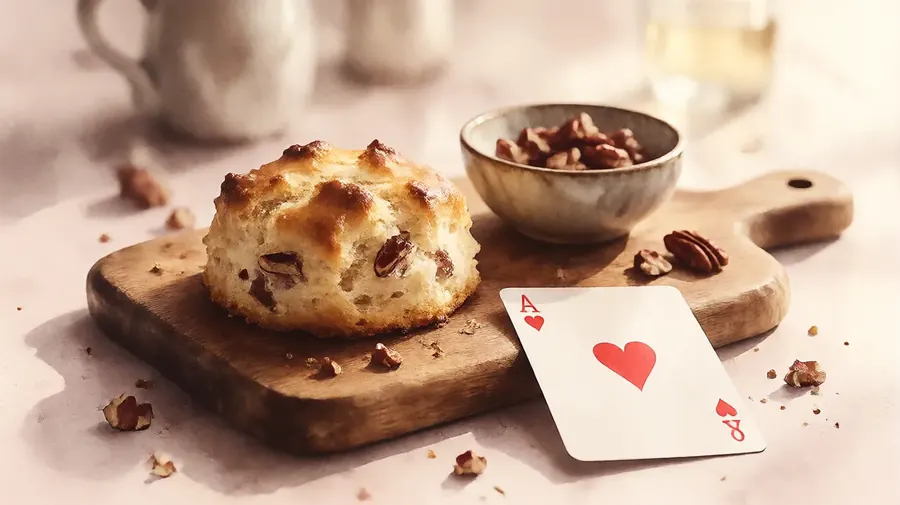
Everyday Rituals, Gifting and Global Variations
In many households, casino butter biscuits function as social glue, appearing at casual family visits, office meetings, and neighborhood gatherings. Small, affordable packs make them a go-to item for last-minute gifting, especially when paired with tea or coffee. Different regions put their own spin on the concept, with variations in fat content, sweetness levels, and decorative patterns on the biscuit surface. Packaging formats have also diversified, from classic cardboard boxes to individual snack packs aimed at commuters and schoolchildren, helping keep this modest biscuit relevant in a changing snack landscape.